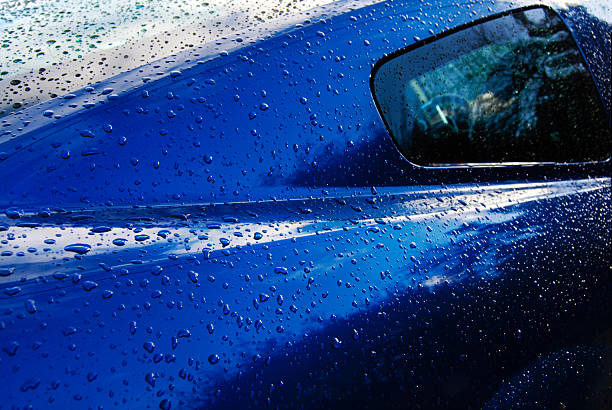
Water spots are one of the most frustrating issues car owners face after washing or leaving their vehicle under sprinklers, rain, or hard water. These cloudy, white mineral marks can dull your car’s paint, glass, and chrome, making even a clean vehicle look neglected.
If you are searching for how to remove water spots from car, the good news is that most spots can be removed safely at home using simple methods. However, the correct technique depends on whether the spots are fresh, mineral-based, or already etched into the clear coat.
This guide breaks down step-by-step methods used by professional detailers to restore a spotless, glossy finish.
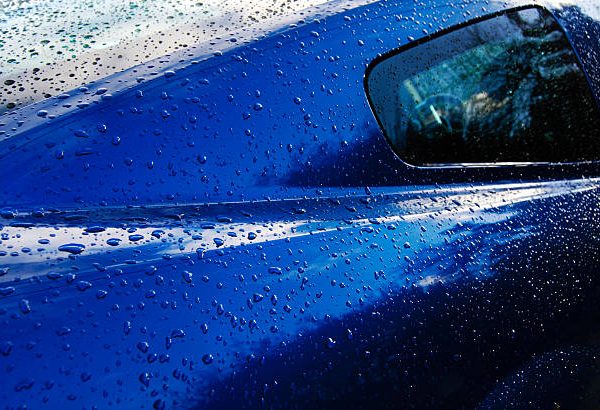
What Are Water Spots on a Car?
Water spots are caused when water evaporates and leaves behind mineral deposits, such as:
- Calcium
- Magnesium
- Lime
- Salt
These minerals bond to the surface of your car’s:
- Paint
- Glass
- Chrome trim
There are three main types of water spots:
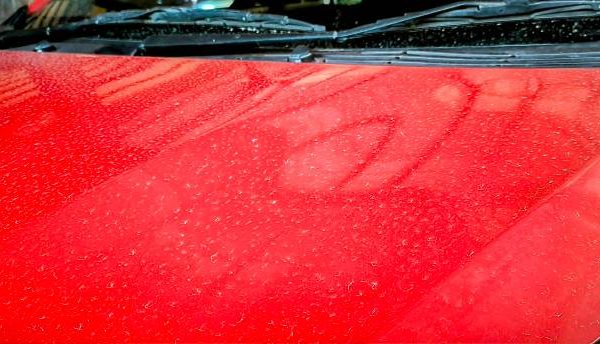
1. Light Water Spots (Surface Level)
- Fresh spots
- Easily removed with cleaning
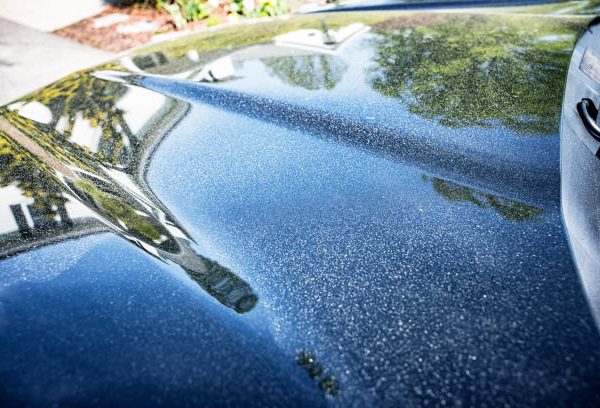
2. Bonded Mineral Spots
- Hard water deposits stuck to the surface
- Require chemical treatment
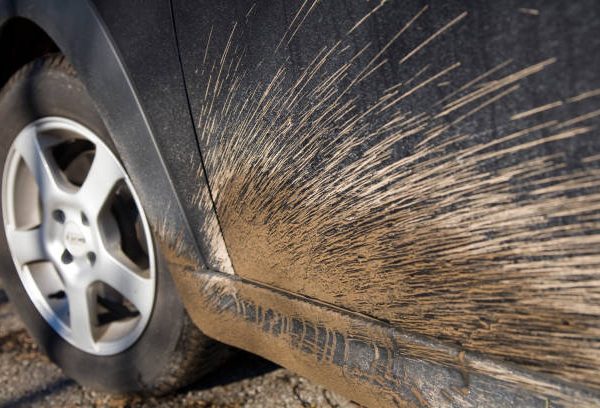
3. Etched Water Spots
- Minerals have damaged the clear coat
- Require polishing or correction
Step 1: Start With a Proper Car Wash
Before removing water spots, always wash your car first.
What you need:
- pH-balanced car shampoo
- Microfiber wash mitt
- Two-bucket wash method
Why this matters:
Dirt and dust can scratch paint during water spot removal. Cleaning the surface ensures safer treatment.
Steps:
- Rinse the vehicle thoroughly
- Wash using car shampoo and mitt
- Dry with microfiber towels
- Inspect affected areas under light
If spots remain, move to deeper cleaning methods.
Step 2: DIY Vinegar Solution (Best for Light Water Spots)
One of the most effective home methods for how to remove water spots from car is using vinegar.
What you need:
- Distilled white vinegar
- Distilled water
- Spray bottle
- Microfiber towel
Mix ratio:
1:1 vinegar and water
How to use:
- Park car in shade (surface must be cool)
- Spray solution on water spots
- Let it sit for 30–60 seconds
- Wipe gently with a microfiber towel
- Rinse the area thoroughly
Important note:
Vinegar is acidic and can remove wax protection, so you may need to reapply wax afterward.
Step 3: Water Spot Remover Products (For Moderate Spots)
If vinegar doesn’t fully work, use a professional water spot remover.
Popular products include:
- Acid-based water spot gels
- Mineral dissolving sprays
How to apply:
- Wash and dry the car
- Apply a small amount to a microfiber applicator
- Rub gently in straight lines (not circles)
- Let it sit for 30–60 seconds (do not let it dry)
- Wipe clean with a microfiber towel
This method breaks down mineral deposits without damaging paint when used correctly.
Step 4: Clay Bar Treatment (For Stubborn Spots)
If spots feel rough or don’t respond to chemicals, they may be bonded to the surface.
What you need:
- Clay bar
- Lubricant spray or detailer
How to use:
- Spray the lubricant generously on the surface
- Glide the clay bar gently over the affected area
- Use light pressure only
- Wipe clean and inspect
Why it works:
Clay physically lifts embedded contaminants from paint and glass.
Step 5: Polishing (For Etched Water Spots)
If water spots have been left for a long time, they may etch into the clear coat.
In this case, chemical cleaning is not enough.
What you need:
- Dual-action polisher
- Fine polishing compound
- Foam finishing pad
How polishing works:
- Apply polish to the pad
- Work in small sections
- Use slow, overlapping passes
- Wipe residue with a microfiber towel
Result:
- Restores gloss
- Removes etched marks
- Levels paint the surface
Removing Water Spots From Glass
Car windows often show water spots more clearly than paint.
Best methods:
- Vinegar solution
- Glass-safe water spot remover
- Clay bar (for severe buildup)
For windshield clarity, always finish with a glass cleaner for streak-free visibility.
Common Mistakes to Avoid
When learning how to remove water spots from car, avoid these errors:
- ❌ Scrubbing dry paint (causes scratches)
- ❌ Using abrasive household cleaners
- ❌ Working under direct sunlight
- ❌ Letting chemical cleaners dry on surface
- ❌ Skipping protective wax after cleaning
These mistakes can permanently damage your car’s finish.
How to Prevent Water Spots in the Future?
Prevention is easier than removal.
Best prevention tips:
Dry your car immediately after washing
Use microfiber drying towels or blower dryers.
Apply wax or sealant
Creates a protective barrier against minerals.
Avoid hard water exposure
If possible:
- Park away from sprinklers
- Use filtered or soft water for washing
Use ceramic coating (best long-term solution)
Provides:
- Hydrophobic surface
- Easier cleaning
- Strong protection against mineral bonding
When Water Spots Become Permanent?
Sometimes water spots become too deep to fully remove without paint correction.
Signs include:
- Spots still visible after polishing
- Rough texture on the paint
- Permanent dull marks in the clear coat
At this stage, professional detailing may be required.
Final Thoughts
Understanding how to remove water spots from car is essential for maintaining a clean, glossy, and well-protected vehicle. Most light and moderate spots can be safely removed using vinegar solutions or specialized cleaners, while more stubborn deposits may require clay bar treatment or polishing.
The key is to act early, fresh water spots are always easier to remove than etched ones. With proper cleaning techniques and preventive care like waxing or ceramic coating, you can keep your car looking spotless and well-maintained year-round with City Biz Local.