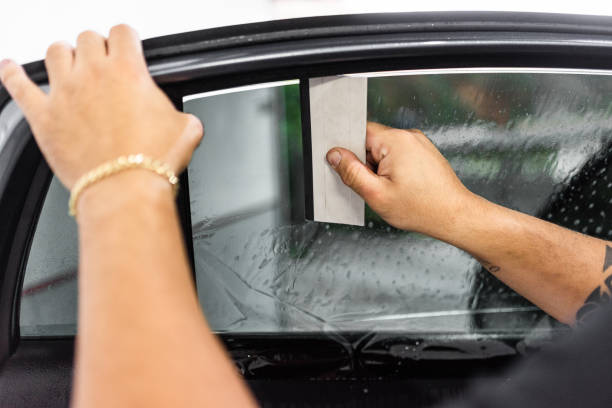
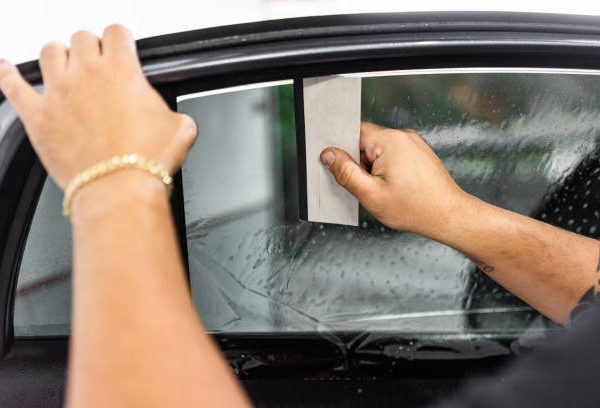
If you are wondering how much to tint car windows, the average cost in 2026 ranges from $150 to over $1,200, depending on the type of tint film, vehicle size, labor rates, and installation quality. Window tinting is one of the most popular car upgrades because it improves privacy, blocks heat, protects your interior, and enhances your vehicle’s appearance.
However, not all window tints are the same. Basic dyed tint is affordable, while premium ceramic and nano-ceramic films cost significantly more due to their superior performance and durability.
In this guide, we will break down everything you need to know about how much to tint car windows, including pricing by film type, vehicle size, legal tint percentages, and factors that affect installation costs.
Average Cost to Tint Car Windows
The overall cost depends mainly on the film quality and the size of your vehicle.
Average Window Tint Pricing
| Tint Type | Average Cost |
| Dyed Window Tint | $150 – $300 |
| Carbon Window Tint | $250 – $600 |
| Ceramic Window Tint | $400 – $800 |
| Nano-Ceramic Tint | $600 – $1,200+ |
Smaller vehicles like coupes and sedans usually cost less, while SUVs, trucks, and luxury vehicles are more expensive because they have larger windows and require more material.
Cost by Vehicle Type
Different vehicles require different amounts of film and labor.
Sedan Window Tint Cost
Most sedans cost between $150 and $600 for a complete tint job, depending on the film selected.
Typical Sedan Pricing
- Basic dyed tint: $150 – $250
- Carbon tint: $250 – $450
- Ceramic tint: $400 – $700
SUV and Truck Window Tint Cost
SUVs and trucks have larger windows, increasing both labor and material costs.
Typical SUV & Truck Pricing
- Dyed tint: $200 – $350
- Carbon tint: $350 – $600
- Ceramic tint: $500 – $900+
Large luxury SUVs may exceed $1,000 with premium nano-ceramic films.
Types of Window Tint and Their Costs
Understanding the different tint films is important when deciding how much to spend.
1. Dyed Window Tint
Dyed tint is the most affordable option and the most common entry-level film.
Advantages
- Budget-friendly
- Improves privacy
- Reduces glare
- Dark appearance
Disadvantages
- Fades over time
- Less heat rejection
- Can bubble or discolor
Average Cost
$150 – $300
Dyed tint works well for drivers seeking appearance and privacy without paying premium prices.
2. Carbon Window Tint
Carbon tint contains carbon particles that improve heat rejection and durability.
Benefits
- Better heat blocking
- Fade resistant
- Matte finish appearance
- Strong UV protection
Drawbacks
- More expensive than dyed tint
Average Cost
$250 – $600
Carbon tint is a popular mid-range option because it balances performance and affordability.
3. Ceramic Window Tint
Ceramic tint is considered one of the best automotive tint films available.
Benefits of Ceramic Tint
- Superior heat rejection
- Blocks harmful UV rays
- Does not interfere with electronics
- Extremely durable
- Reduces interior fading
Why Ceramic Tint Costs More
Ceramic film uses advanced nano-technology that significantly improves performance compared to traditional films.
Average Cost
$400 – $800
Although expensive, ceramic tint offers excellent long-term value.
4. Nano-Ceramic Window Tint
Nano-ceramic tint is the premium option for luxury vehicles and high-performance heat reduction.
Advantages
- Maximum infrared heat rejection
- Outstanding clarity
- Advanced UV protection
- Long lifespan
- Premium appearance
Average Cost
$600 – $1,200+
This option is ideal for drivers living in extremely hot climates.
Factors That Affect Window Tint Cost
Several factors influence how much to tint car windows beyond the film type.
Vehicle Size
Larger windows require more film and labor.
Most Expensive Vehicles to Tint
- SUVs
- Trucks
- Vans
- Tesla vehicles
- Luxury sedans
Vehicles with complex window shapes may also cost more.
Number of Windows
Tinting only two front windows costs far less than tinting the entire vehicle.
Typical Pricing
- Two front windows: $80 – $200
- Full vehicle tint: $150 – $1,200+
Tint Brand and Warranty
Premium brands often charge higher prices but provide better durability and warranties.
Premium Tint Brands
- XPEL
- 3M
- Llumar
- SunTek
- FormulaOne
Many premium films include lifetime warranties against bubbling, peeling, and fading.
Labor and Installer Experience
Experienced installers usually charge more, but quality installation is extremely important.
Poorly installed tint can lead to:
- Air bubbles
- Peeling edges
- Purple discoloration
- Uneven appearance
Choosing a reputable installer can save money in the long run.
Old Tint Removal Cost
If your vehicle already has peeling or damaged tint, removal adds additional cost.
Average Tint Removal Cost
$50 – $150
Old adhesive residue and damaged film require extra labor.
Is Ceramic Tint Worth the Extra Cost?
Many drivers ask whether ceramic tint is worth the higher price.
Ceramic Tint Advantages
- Blocks significantly more heat
- Improves driving comfort
- Protects interior materials
- Increases energy efficiency
- Enhances visibility
While ceramic tint costs more initially, its durability and performance often make it the best long-term investment.
Window Tint Percentages Explained
Tint percentages refer to how much visible light passes through the windows.
Common Tint Levels
| Tint Percentage | Appearance |
| 5% | Very dark (limo tint) |
| 20% | Dark |
| 35% | Medium darkness |
| 50% | Light tint |
| 70% | Nearly clear |
Lower percentages mean darker windows.
Is Window Tint Legal?
Window tint laws vary by state. Some states restrict how dark front windows can be.
For example, many states require front side windows to allow at least 35% of visible light transmission (VLT).
Before installing tint, always check your local laws to avoid fines or failed inspections.
Benefits of Tinting Car Windows
Besides improving appearance, window tint provides several important benefits.
Heat Reduction
Quality tint significantly lowers interior temperatures.
UV Protection
Window tint blocks harmful UV rays that damage skin and interior surfaces.
Privacy and Security
Tint makes it harder for outsiders to see inside the vehicle.
Reduced Glare
Tint improves driving comfort during sunny conditions.
Interior Protection
Helps prevent dashboard cracking and upholstery fading.
How Long Does Window Tint Last?
The lifespan depends on film quality and installation.
Average Tint Lifespan
- Dyed tint: 3 – 5 years
- Carbon tint: 5 – 10 years
- Ceramic tint: 10+ years
Proper care helps extend the life of your tint.
How to Choose the Best Window Tint?
When deciding how much to tint car windows, consider your priorities.
Best Budget Option
Dyed tint
Best Mid-Range Option
Carbon tint
Best Premium Option
Ceramic or nano-ceramic tint
Drivers in hot climates often benefit most from ceramic films because of superior heat rejection.
Final Thoughts
If you are researching how much to tint car windows, expect to spend anywhere from $150 to over $1,200, depending on the film type, vehicle size, and installer quality.
While basic dyed tint is affordable, ceramic and nano-ceramic films provide the best heat rejection, UV protection, and long-term durability. Investing in high-quality tint not only improves your vehicle’s appearance but also enhances comfort, privacy, and interior protection.
Before scheduling installation, compare tint brands, check local tint laws, and choose a professional installer with strong reviews and warranty coverage. Learn more about this service on City Biz Local.