

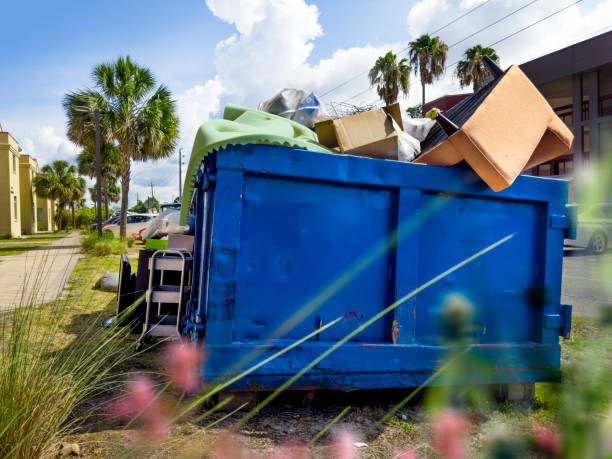
Dumpster diving is one of those topics that sits in a legal gray area in the United States. While some people see it as a way to reduce waste or find usable items, others view it as trespassing or theft. So the big question remains: Is dumpster diving illegal?
The short answer is: it depends on where you are and how you access the dumpster. Let’s break it down clearly so you understand what is legal, what is risky, and what the laws actually say in the U.S.
Is Dumpster Diving Illegal in the United States?
At the federal level, dumpster diving is generally legal in the United States. This is based on a key Supreme Court ruling:
- In California v. Greenwood (1988), the U.S. Supreme Court ruled that trash left outside for collection is considered “abandoned.”
- That means there is no expectation of privacy for garbage placed in public areas.
So technically, once trash is in a public space for pickup, it can legally be searched.
However, this does NOT mean you can freely dumpster dive anywhere without consequences.
Why Dumpster Diving Can Still Get You Arrested?
Even though the act itself may be legal, how and where you do it matters a lot. Most legal issues come from related offenses, not dumpster diving itself.
1. Trespassing Laws
This is the most common issue.
You can get in trouble if you:
- Enter private property
- Go behind fences or locked gates
- Ignore “No Trespassing” signs
Most dumpsters behind stores, restaurants, and malls are located on private property.
2. Breaking or Damage
Dumpster diving becomes illegal if you:
- Break locks or chains
- Cut fences or barriers
- Force open secured bins
This can escalate into criminal charges, not just a ticket.
3. Littering and Public Nuisance
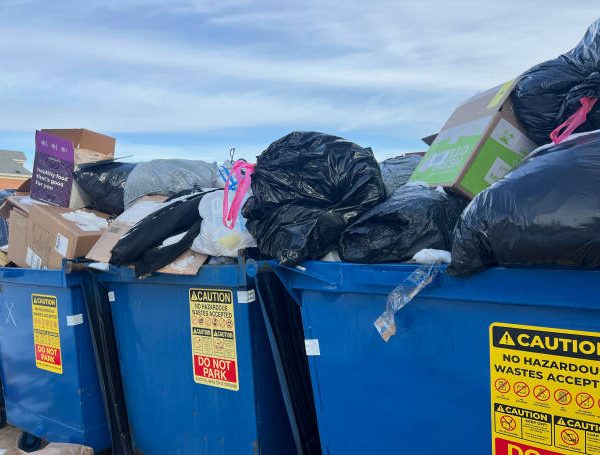
Even if you access a dumpster legally, you can still be cited for:
- Leaving trash scattered around
- Making a mess in public spaces
- Blocking sidewalks or parking areas

4. Local City Ordinances
This is where most confusion happens.
Many cities and counties have their own rules regarding:
- “Scavenging”
- “Waste removal interference”
- “Recycling bin restrictions”
Some places explicitly ban dumpster diving even if state law allows it.
This is why checking your local municipal code is extremely important.
Is Dumpster Diving Legal in All States?
There is no single universal state law banning dumpster diving. However:
- Some states are generally more tolerant
- Others enforce strict trespassing laws that make it difficult in practice
For example:
- In many areas, diving in public dumpsters is more likely to be legal
- In commercial or residential private property areas, it is often restricted
Even in states where it is “legal,” enforcement varies by city.
When is Dumpster Diving Most Likely Illegal?
Even in states where dumpster diving is allowed, it becomes illegal in these situations:
- Behind fenced commercial properties
- Locked dumpsters
- Apartment complex dumpsters
- Areas with “No Scavenging” signs
- Government or restricted facilities
If any restriction is posted, it is safest to assume entry is prohibited.
What the Law Actually Allows? (Simple Breakdown)
Here’s a simplified view:
Legal:
- Taking items from public, unlocked dumpsters
- Accessing trash placed for public pickup
- Searching for abandoned waste in accessible areas
Illegal:
- Entering private property without permission
- Breaking locks or barriers
- Ignoring posted warnings or signs
- Creating messes or disturbances
Risks Beyond Legal Issues
Even if something is technically legal, dumpster diving comes with risks:
Health & Safety Risks
- Sharp objects
- Contaminated waste
- Food spoilage
- Chemicals or hazardous materials
Police Encounters
Even legal diving can lead to:
- Being asked to leave
- Trespassing warnings
- Fines in some jurisdictions
Business Policies
Many businesses prohibit dumpster diving to:
- Protect privacy
- Reduce liability
- Prevent liability for injuries
Best Practices to Stay Safe and Legal
If you’re considering dumpster diving, follow these rules:
Always check for signs
- “No Trespassing”
- “No Scavenging”
- “Private Property”
Stay in accessible public areas
Avoid fenced or locked zones completely.
Be respectful
- Don’t damage property
- Don’t leave a mess
- Leave immediately if asked
Research your city laws
Search:
- “dumpster diving laws + your city”
- municipal codes or local ordinances
Example: Mississippi and Other States
In states like Mississippi, dumpster diving is often described as:
- Generally legal on public property
- Risky on private commercial property due to trespassing laws
This shows why location matters more than the act itself.
Final Verdict: Is Dumpster Diving Illegal?
So, is dumpster diving illegal?
No, not universally.
But:
- It is often restricted by trespassing laws
- It may be banned by local ordinances
- It becomes illegal when property rights are violated
Key takeaway:
Dumpster diving is less about federal law and more about where you are standing when you do it.
Conclusion
Dumpster diving exists in a legal gray zone in the United States. While federal law does not prohibit it, state and local rules can make it illegal in practice, especially when private property or restricted access is involved.


All the best