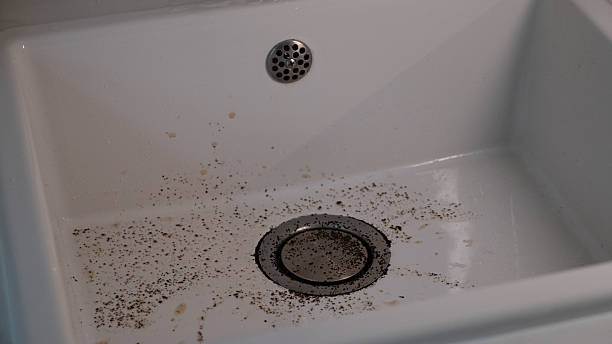
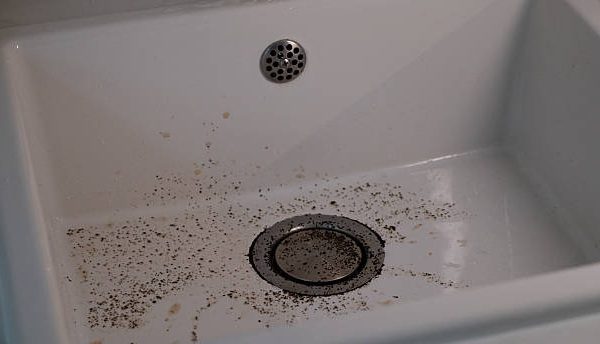
Drain flies are one of the most frustrating household pests. These tiny fuzzy insects often appear around sinks, showers, bathtubs, toilets, and basement drains. If you are searching for How to Get Rid of Drain Flies, the good news is that you can eliminate them permanently by targeting the slimy buildup inside your pipes where they breed.
Unlike regular flies, drain flies multiply quickly because they lay eggs in organic sludge, grease, soap scum, and standing water inside drains. Killing the adult flies alone will not solve the problem. To permanently remove them, you must destroy their breeding source completely.
In this guide, you will learn the best DIY and professional methods to get rid of drain flies fast and prevent them from coming back.
What Are Drain Flies?
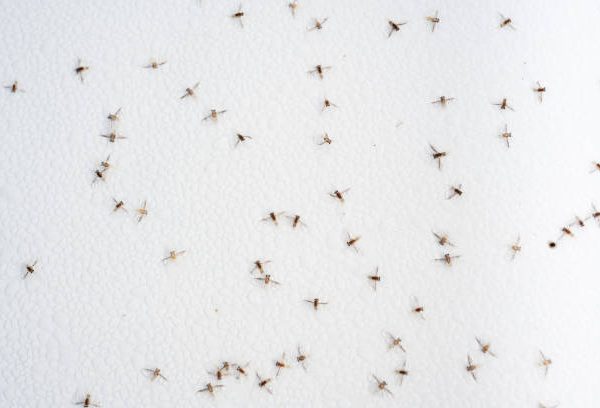
Drain flies are also called sewer flies, moth flies, or sink flies. They are tiny insects with fuzzy wings and gray or black bodies that resemble miniature moths.
Common Signs of Drain Flies
- Small flies resting near drains or walls
- Flies appearing in bathrooms or kitchens
- Slow fluttering movement instead of fast flying
- Increased activity around sinks, tubs, or floor drains
- Musty odors coming from drains
Drain flies thrive in moist environments where organic material builds up. Their larvae feed on biofilm inside pipes, making dirty drains the perfect breeding ground.
Why Drain Flies Keep Coming Back?
Many homeowners spray insect killers and wonder why the infestation continues. The reason is simple: adult drain flies only live for a short time, but their eggs and larvae remain hidden inside the drain sludge.
If the drain buildup is not removed completely, new flies continue to hatch every few days.
That is why the best solution for How to Get Rid of Drain Flies Permanently involves:
- Identifying the breeding drain
- Cleaning the slime and biofilm
- Killing larvae and eggs
- Preventing future buildup
Step 1: Identify the Source of the Drain Flies
Before treatment begins, you need to locate the exact drain where the flies are breeding.
The Tape Test Method
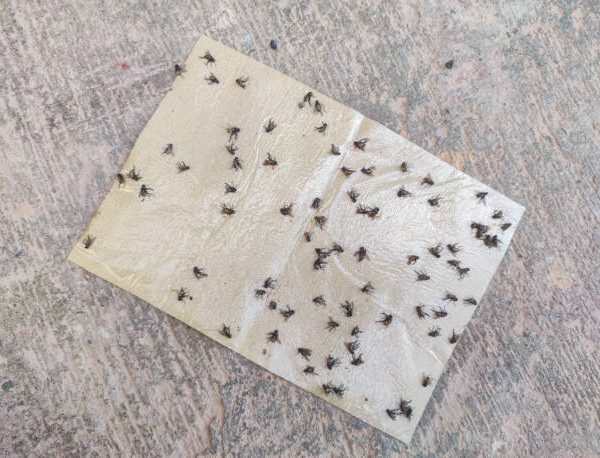
A simple overnight tape test can help identify the source.
Instructions:
- Place clear packing tape loosely over suspected drains.
- Leave a small gap for airflow.
- Check the tape the next morning.
If drain flies stick to the tape, you have found the breeding location.
Common Breeding Areas
- Bathroom sink drains
- Kitchen sinks
- Shower drains
- Floor drains
- Basement drains
- Laundry room drains
- Garbage disposals
- Overflow drains
Finding the source is the first critical step in learning how to Get Rid of Drain Flies effectively.
Step 2: Scrub the Drain Thoroughly
Drain flies breed in slimy organic buildup known as biofilm. Simply pouring chemicals into the drain is often not enough.
Physical cleaning is extremely important.
What You Need
- Metal pipe brush or drain brush
- Rubber gloves
- Flashlight
- Hot water
How to Clean the Drain
- Remove the drain cover.
- Insert the drain brush deep into the pipe.
- Scrub the inside walls aggressively.
- Pull out hair, sludge, and debris.
- Flush with hot water.
This process removes the breeding material where eggs and larvae survive.
For severe infestations, repeat this cleaning process every few days.
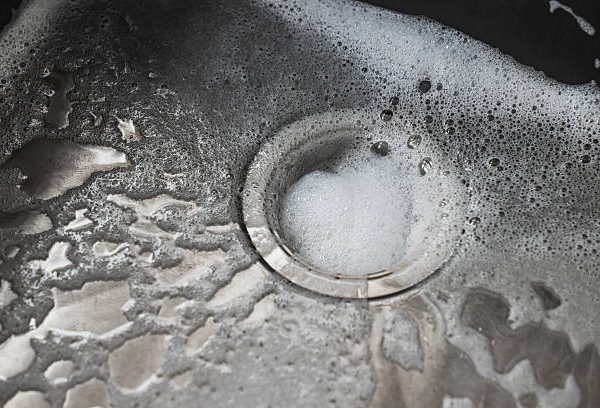
Step 3: Use the Baking Soda and Vinegar Treatment
One of the most effective home remedies for how to Get Rid of Drain Flies Permanently is the baking soda and vinegar solution.
This method helps break down organic matter and kill larvae naturally.
DIY Drain Fly Solution
Ingredients
- 1/2 cup baking soda
- 1/2 cup salt
- 1 cup white vinegar
Instructions
- Pour the baking soda and salt into the drain.
- Slowly add the white vinegar.
- Let the mixture fizz and bubble.
- Cover the drain overnight.
- Flush the drain with boiling water in the morning.
How Often Should You Repeat It?
Repeat this process daily for 5 to 7 days for the best results.
The bubbling reaction helps loosen grime while the boiling water flushes away eggs and larvae.
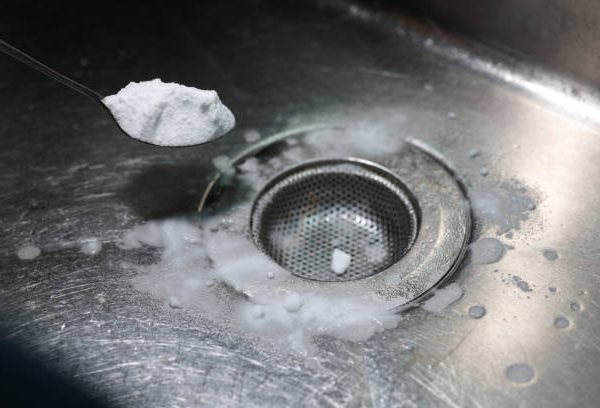
Step 4: Pour Boiling Water Down the Drain
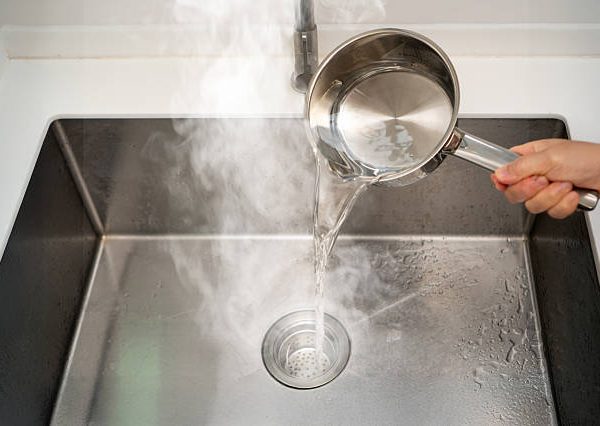
Boiling water is a simple but effective way to kill drain fly larvae.
Best Method
- Boil a large pot of water.
- Slowly pour it directly into the drain.
- Repeat twice daily.
This helps destroy eggs and loosen organic buildup inside pipes.
However, boiling water alone may not eliminate severe infestations. Combining it with scrubbing and vinegar treatment works much better.
Step 5: Use Enzyme Drain Cleaners
If home remedies fail, enzymatic drain cleaners are highly effective.
These products contain beneficial bacteria or enzymes that digest organic sludge inside pipes without damaging plumbing.
Benefits of Enzyme Cleaners
- Removes biofilm buildup
- Eliminates drain fly breeding areas
- Safe for most plumbing systems
- Reduces drain odors
- Prevents future infestations
How to Use Them
- Apply the cleaner at night.
- Avoid running water for several hours.
- Repeat according to product instructions.
Enzyme gels are especially useful for older plumbing systems and garbage disposals.
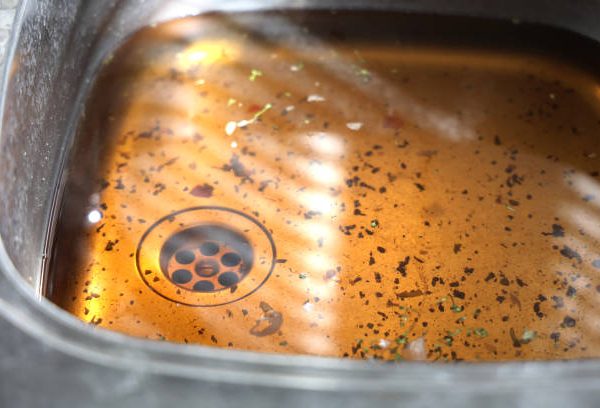
Step 6: Trap the Adult Drain Flies
While cleaning the drains removes the breeding source, trapping adult flies helps reduce the infestation faster.
Apple Cider Vinegar Trap
What You Need
- Apple cider vinegar
- Small bowl or cup
- Plastic wrap
- Rubber band
- Toothpick
Instructions
- Fill the bowl with apple cider vinegar.
- Cover with plastic wrap.
- Secure with a rubber band.
- Poke tiny holes in the top.
The flies are attracted to the vinegar smell but cannot escape once inside.
Place traps near sinks, bathrooms, and drains for best results.
Step 7: Clean Garbage Disposals and Overflow Drains
Many people forget hidden breeding spots.
Garbage Disposal Cleaning
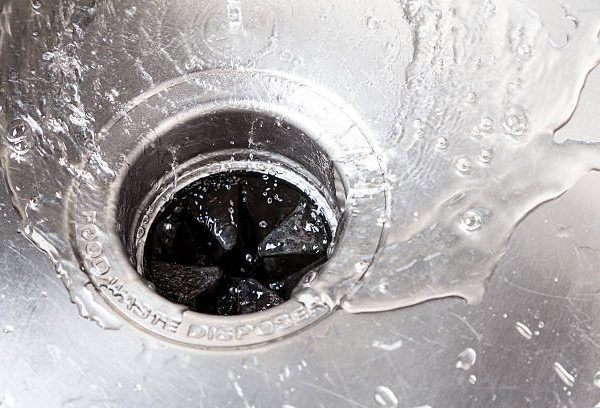
Drain flies often breed under the rubber splash guard inside kitchen disposals.
Cleaning Tips
- Scrub beneath the rubber flaps
- Grind ice cubes and citrus peels
- Flush with hot water
Overflow Drain Cleaning
Bathroom sink overflows can also collect slime and bacteria.
Use a small brush and disinfectant to clean these hidden areas thoroughly.
How Long Does It Take to Get Rid of Drain Flies?
Minor infestations may disappear within a few days. Severe infestations can take 2 to 3 weeks of consistent treatment.
The key is persistence.
Even if the flies seem gone, continue drain treatments for several more days to eliminate remaining eggs.
How to Prevent Drain Flies Permanently?
Prevention is the most important part of controlling drain flies long-term.
Prevention Tips
Keep Drains Clean
Regularly flush drains with hot water and vinegar.
Fix Leaks Quickly
Standing water attracts drain flies.
Avoid Organic Buildup
Do not allow grease, food scraps, or hair to collect inside drains.
Use Enzyme Treatments Monthly
Routine maintenance prevents biofilm from forming.
Keep Rarely Used Drains Moist
Dry floor drains can allow sewer gases and insects to enter the home.
Are Drain Flies Harmful?
Drain flies are generally not dangerous, but they can become a major nuisance.
They may spread bacteria from dirty drains and contaminate surfaces around kitchens and bathrooms. Large infestations can also indicate plumbing or sanitation issues that should not be ignored.
When to Call a Professional Pest Control Company?
Sometimes DIY methods are not enough.
You should contact a pest control professional if:
- The infestation continues after several weeks
- Flies are appearing in multiple rooms
- There may be broken sewer pipes
- Drains have severe clogs
- The infestation becomes overwhelming
Professionals can inspect hidden plumbing issues and apply commercial-grade treatments.
Final Thoughts
Learning how to Get Rid of Drain Flies starts with understanding their breeding habits. These pests survive in the slimy organic buildup hidden inside drains, so surface cleaning alone will not eliminate them.
The most effective solution includes:
- Scrubbing the drain thoroughly
- Using baking soda and vinegar treatments
- Flushing with boiling water
- Applying enzyme drain cleaners
- Trapping adult flies
- Maintaining clean drains regularly
With consistent treatment and proper prevention, you can permanently eliminate drain flies and keep your home pest-free.